

Antibiotic-Resistant Bacteria Reaching Humans Through the Food Chain, Experts Warn
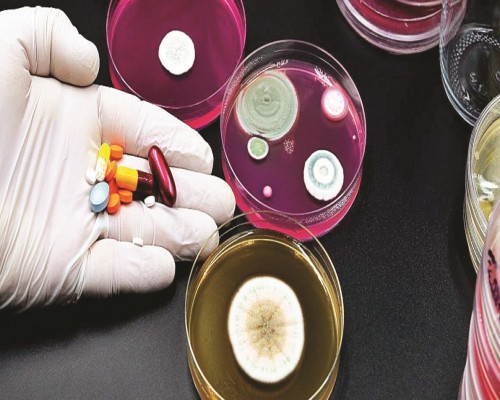
The growing threat of antimicrobial resistance (AMR) is no longer confined to hospitals and clinical settings. Experts have warned that antibiotic-resistant bacteria are increasingly entering the human body directly through food, driven by the widespread and often unregulated use of antibiotics in agriculture, fisheries, and animal husbandry.
Medical researchers have pointed out that India remains among the countries with the highest levels of antibiotic consumption. A significant percentage of resistance-related infections are linked to bacteria transmitted through food products, contaminated water, and agricultural practices. Studies indicate that misuse of antibiotics in livestock and aquaculture contributes to the development of resistant strains, which can pass to humans through meat, dairy, fish, and even fresh produce.
According to scientific assessments, resistant bacteria present in animals can enter the food chain during production, processing, or distribution. Once consumed, these bacteria may reduce the effectiveness of life-saving drugs in treating infections. Global health projections have warned that by 2050, antimicrobial resistance could account for millions of deaths annually if unchecked.
Environmental factors are compounding the crisis. The use of antibiotics and chemical agents in farming not only affects soil quality but also contaminates groundwater and nearby water bodies. Experts note that when antibiotic residues and chemical runoffs mix with water systems, they create conditions conducive to the spread of resistant microorganisms.
Agricultural specialists have raised concerns about the excessive use of chemical fertilizers and pesticides alongside antibiotics in livestock and poultry farms. In some regions, farmers reportedly use antibiotics to promote faster animal growth and prevent disease outbreaks, practices that accelerate the development of drug-resistant bacteria.
Public health authorities emphasize that antimicrobial resistance is a “silent pandemic” with long-term consequences. Resistant infections are harder and more expensive to treat, often requiring stronger and costlier medications with greater side effects. The burden is particularly severe in developing countries where regulatory oversight and awareness may be limited.
Government agencies have introduced restrictions on certain antibiotic formulations and are working to strengthen monitoring mechanisms. However, experts argue that stricter enforcement, better surveillance, and awareness campaigns are necessary to curb misuse across sectors.
Health professionals advocate for a “One Health” approach, recognizing the interconnectedness of human health, animal health, and the environment. Responsible antibiotic use in medical practice, regulated veterinary prescriptions, improved hygiene in food production, and environmental safeguards are being highlighted as critical steps to combat the spread of resistance.
As antibiotic-resistant bacteria increasingly travel from farm to plate, specialists warn that without coordinated action, the effectiveness of essential medicines could continue to decline, posing a serious threat to global public health.