

Crude Oil Surges Past $100 a Barrel as Iran Conflict Shakes Global Energy Markets
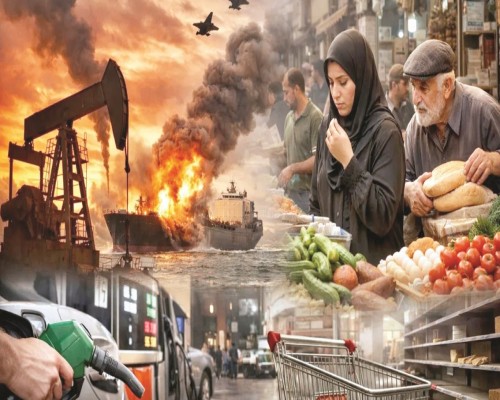
Global crude oil prices have surged past the $100-per-barrel mark, triggering fresh concerns across international energy markets and raising fears of a wider economic ripple effect. The sharp rise has been driven by escalating tensions involving Iran, which have unsettled global supply chains and revived anxieties over fuel inflation, industrial costs, and broader economic stability.
The sudden jump in oil prices reflects mounting uncertainty in one of the world’s most strategically important energy corridors. With Iran playing a crucial role in the geopolitics of West Asia, any military or political confrontation involving the country tends to have an immediate and significant impact on global crude markets. The latest developments have once again exposed how vulnerable the international oil trade remains to regional conflict.
Oil prices, which had remained below the $100 threshold for several months, crossed that level amid concerns that hostilities could disrupt production, transportation, or exports from the Gulf region. Analysts have warned that if the conflict expands or continues over a prolonged period, crude prices could rise even further, placing additional strain on import-dependent economies.
Energy Shock Rekindles Inflation Fears
The rise in crude prices is expected to have a direct effect on inflation worldwide. Petroleum products influence transportation, manufacturing, electricity generation, logistics, and food supply chains. A sustained increase in oil prices could therefore push up the cost of essential goods and services across multiple sectors.
Economic experts have cautioned that the current surge could worsen inflationary pressures already troubling several economies. Countries heavily dependent on imported oil may be forced to reassess fuel pricing, subsidies, and fiscal planning if the upward trend continues. Rising freight and production costs could also translate into higher prices for consumers.
The impact is likely to be especially significant in developing economies, where fuel costs play a central role in everyday living expenses and industrial competitiveness.
Oil-Producing Nations Move to Stabilise Supply
Amid the market turmoil, several oil-producing countries, including Bahrain and five other nations, have reportedly indicated efforts to increase output in an attempt to ease supply-side anxiety and stabilise prices. The move is being viewed as a strategic effort to reassure markets that producing nations are prepared to respond to any potential shortage.
However, market observers believe that increased production alone may not be enough to calm prices if geopolitical risks continue to deepen. Traders remain focused not just on actual supply, but on the possibility of disruptions in key shipping lanes and refinery operations in the region.
Global Markets React Sharply
The surge in crude prices has also affected global financial markets, with major stock indices witnessing pressure amid fears of a prolonged energy shock. Energy-sensitive sectors, including aviation, transport, chemicals, and manufacturing, are expected to face heightened volatility if fuel costs remain elevated.
Investors are closely tracking diplomatic and military developments, as well as the response of major oil-exporting nations and global institutions. Financial analysts note that energy price shocks often trigger broader market instability, especially when accompanied by uncertainty over inflation and interest rates.
Strategic Questions Over Iran and the US
The developments have also revived geopolitical speculation over how the United States and its allies may respond to Iran if the conflict deepens. Analysts suggest that the next steps taken by Washington and its regional partners could determine whether the crisis remains contained or escalates into a wider confrontation.
The possibility of disruption in the Strait of Hormuz—a vital passage for a substantial portion of global oil shipments—has emerged once again as a key concern. Any threat to this route could send oil prices even higher and significantly affect global energy security.
What Lies Ahead
While producing nations have signalled readiness to increase output, the direction of oil prices will largely depend on whether the geopolitical situation stabilises or deteriorates further. If tensions continue, the world could be headed toward another phase of energy-driven inflation, market volatility, and economic uncertainty.
For now, the crossing of the $100-per-barrel threshold has served as a stark reminder of how quickly geopolitical conflict can unsettle global markets—and how deeply the world economy remains tied to the politics of oil.