

Early Detection of Type-2 Diabetes May Become Possible Before Symptoms Appear
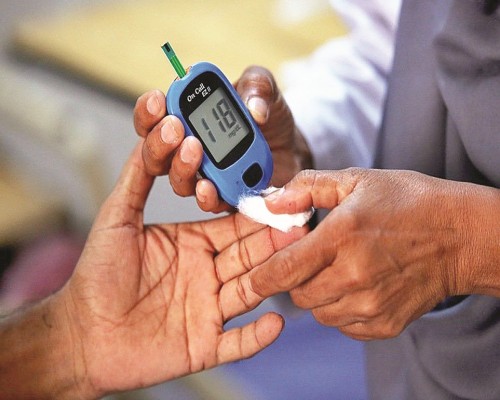
A new scientific study has raised hope that the risk of Type-2 diabetes may be detected even before visible symptoms begin to appear. Researchers have found that certain subtle biological changes in the body’s cells may act as early warning signs of the disease. The important aspect of this research is that many of these changes can be improved through healthy lifestyle habits such as balanced diet, regular exercise and weight control.
According to the study, Type-2 diabetes is among the fastest-growing health concerns in the world. It usually develops when the body is unable to use insulin properly or does not produce enough insulin. Insulin is the hormone that helps regulate blood sugar levels. When this system becomes disturbed, sugar begins to build up in the blood, which can gradually damage several organs.
Experts say that diabetes does not depend only on inherited genes. Lifestyle and chemical changes within the body also play a major role. The research team studied epigenetic signatures, which are small biological changes in cells that influence how active or inactive a gene remains. These changes do not alter the gene itself, but they can affect how the body functions.
The study found that epigenetic changes in cells of body fat, liver, muscles and pancreas can affect genes related to DNA, insulin and blood sugar regulation. If these changes become abnormal, the body’s ability to produce and use insulin may weaken. This can increase the risk of developing Type-2 diabetes in the future.
Researchers believe that identifying such cellular changes at an early stage could help predict the possibility of diabetes before the disease fully develops. This may open the way for simple screening methods in future, through which doctors may be able to assess whether a person is at risk of developing diabetes in the coming years.
The research is particularly important for India, which is often described as the diabetes capital of the world. It is estimated that around 10 crore people in the country are living with diabetes, while many more are in the pre-diabetic stage. In such a situation, early detection can protect lakhs of people from serious health complications.
Type-2 diabetes can affect several parts of the body if not controlled in time. Long-term high blood sugar may damage the kidneys, eyes, nerves, heart and brain. It can also increase the risk of heart disease, stroke, kidney failure, vision problems and other serious conditions.
The study suggests that early warning signs at the cellular level may appear before common symptoms such as excessive thirst, frequent urination, fatigue, slow wound healing or unexplained weight changes. If future medical tests are able to identify these changes early, patients may get enough time to prevent or delay the disease.
Doctors believe that lifestyle correction remains the most effective way to reduce the risk of Type-2 diabetes. A healthy diet, regular physical activity, maintaining proper body weight, reducing excess sugar and refined carbohydrates, and avoiding a sedentary routine can help improve insulin sensitivity.
The findings also underline the need for preventive healthcare. Instead of waiting for blood sugar levels to rise significantly, people at risk should focus on regular health check-ups, weight management and timely medical advice. Those with a family history of diabetes, obesity, high blood pressure or inactive lifestyle need to be especially cautious.