
ESIC Announces Free Annual Health Check-Up for Members Above 40
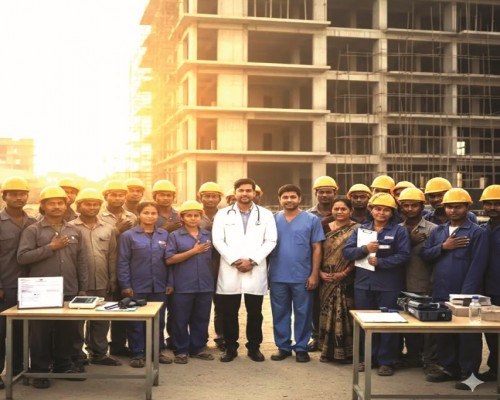
The Employees’ State Insurance Corporation (ESIC) has introduced a new initiative providing free annual health check-ups for members aged 40 years and above, aiming to strengthen preventive healthcare services for insured workers. The decision is expected to benefit more than one crore ESIC beneficiaries across the country.
The announcement forms part of broader measures designed to improve health services under the Employees’ State Insurance (ESI) scheme. Officials stated that the initiative reflects the government’s focus on enhancing welfare benefits for workers and ensuring early detection of health issues among insured employees.
The initiative follows the implementation of new labour code provisions, under which employers are required to facilitate annual health examinations for workers aged 40 years and above. In line with this policy direction, ESIC has now introduced a structured program to provide such medical check-ups free of cost to eligible members.
According to official data, the ESI health insurance scheme currently covers approximately 3.8 crore beneficiaries, including insured workers and their dependents. Among them, nearly one crore members are above the age of 40, making them eligible for the newly announced annual health screening facility.
The free medical check-up program is expected to play an important role in identifying lifestyle-related diseases and other health conditions at an early stage. Regular screening can help detect issues such as hypertension, diabetes, cardiovascular disorders, and other age-related illnesses, allowing timely treatment and improved health outcomes.
Union Labour and Employment Minister Mansukh Mandaviya announced the initiative while emphasizing the government’s commitment to strengthening worker welfare. He stated that the scheme will enhance the overall healthcare security available to employees under the ESI framework.
ESIC operates an extensive healthcare infrastructure that will support the implementation of this initiative. At present, the organization manages a nationwide network comprising 166 hospitals, 17 medical colleges, and approximately 1,600 dispensaries, providing medical care to insured workers and their families.