

Global Warming’s Impact Reaches DNA of Polar Bears, Reveals Unusual Adaptation
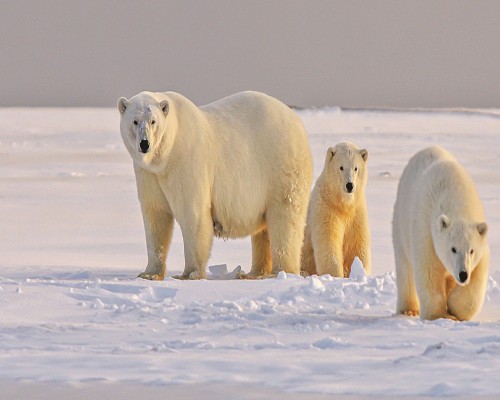
The impact of rising global temperatures is no longer confined to melting ice and changing weather patterns, with new research indicating that climate change has begun affecting the DNA of living organisms. A recent scientific study has revealed notable genetic adaptations in polar bears, particularly those inhabiting southeastern Greenland, highlighting how wildlife is responding at a biological level to a warming planet.
According to researchers, increasing temperatures have triggered changes in genes linked to heat tolerance, ageing processes, and metabolism among these polar bears. Scientists from the University of East Anglia report that these genetic shifts suggest the animals are attempting to adapt to rapidly changing environmental conditions. Such findings indicate that climate stress is now influencing survival mechanisms deep within the biological makeup of species.
One of the most significant discoveries of the study relates to so-called “jumping genes” or mobile DNA elements. These genes have the ability to change their position within the DNA sequence and influence the activity of other genes. Researchers observed heightened activity of these genes in polar bears, indicating a complex genetic response to environmental pressure.
The study further notes that bears living in southeastern Greenland face unique challenges due to rising temperatures and accelerated melting of sea ice. As hunting opportunities decline, genetic changes related to fat storage and energy usage were also observed. These adaptations may help the bears cope with limited access to food during extended periods of scarcity.
While scientists acknowledge that such genetic flexibility reflects a remarkable survival response, they caution that this ability has limits. Experts emphasize that adaptation alone cannot fully offset the long-term impacts of unchecked global warming. The study underscores the urgent need for stronger global efforts to curb carbon emissions and slow climate change, as the survival of polar bears and other vulnerable species remains increasingly uncertain.