
India Eyes Global Leadership in Rare Earth Magnet Recycling as Domestic Manufacturing Gains Momentum
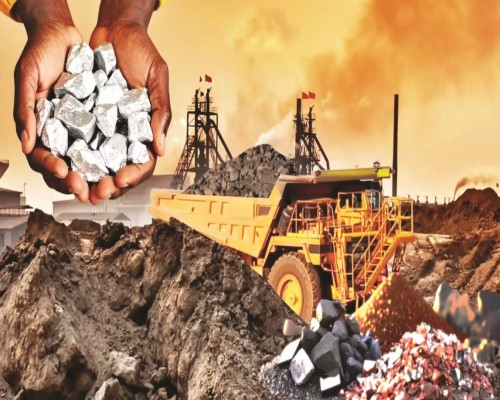
The establishment of India’s first rare earth magnet manufacturing facility is expected to significantly strengthen the country’s self-reliance in critical materials and create new opportunities in the recycling of electronic waste. Industry experts believe that India has the potential to emerge as a global hub for rare earth magnet recovery and recycling, particularly as demand for advanced electronics, electric vehicles, and renewable energy technologies continues to rise.
Rare earth magnets are essential components used in electric motors, sensors, smartphones, laptops, wind turbines, industrial equipment, and defense technologies. Despite their importance, global production and processing remain concentrated in a limited number of countries, creating strategic supply chain challenges for nations seeking to expand their advanced manufacturing capabilities.
Industry leaders note that India currently consumes thousands of tonnes of rare earth magnets annually, while domestic production remains limited. A substantial portion of the country’s requirements continues to be met through imports. However, the development of indigenous manufacturing and recycling infrastructure is expected to gradually reduce dependence on foreign suppliers and strengthen supply-chain resilience.
Experts emphasize that electronic waste presents a major opportunity for the recovery of valuable rare earth elements. Discarded products such as smartphones, laptops, hard drives, industrial equipment, electric motors, and consumer electronics contain significant quantities of critical materials that can be extracted and reused through advanced recycling processes.
According to industry estimates, only a small percentage of electronic waste currently undergoes scientific recycling and material recovery. Increasing this percentage could significantly improve resource availability while reducing environmental pressure associated with mining and raw material imports. Recycling also offers economic benefits by creating a sustainable source of critical minerals for domestic manufacturing industries.
The growing focus on electric mobility is expected to further increase demand for rare earth magnets. High-performance magnets play a crucial role in electric vehicle motors, enabling greater energy efficiency and improved performance. Similar demand growth is anticipated in renewable energy applications, particularly wind energy systems that rely heavily on advanced magnet technologies.
Industry stakeholders argue that developing a comprehensive ecosystem encompassing collection, recycling, processing, and manufacturing is essential for India's long-term technological and industrial ambitions. Such an ecosystem would allow valuable materials recovered from electronic waste to be reintegrated into domestic production chains, reducing dependence on imported resources.
The government has been actively promoting initiatives aimed at strengthening critical mineral supply chains, encouraging advanced manufacturing, and supporting circular economy practices. The integration of recycling with domestic production is viewed as an important step toward achieving these objectives while simultaneously addressing the challenge of growing electronic waste generation.
Experts also highlight the environmental advantages of recycling. Recovering rare earth elements from discarded electronics requires significantly fewer natural resources compared to extracting and processing virgin materials. As a result, recycling can help reduce environmental impacts while supporting sustainable industrial growth.
Industry representatives believe that India’s large consumer electronics market, rapidly expanding electric vehicle sector, and increasing focus on clean energy technologies provide a strong foundation for developing a globally competitive rare earth recycling industry. Investments in advanced processing technologies, research and development, and specialized infrastructure are expected to play a key role in achieving this goal.
As India moves toward greater self-reliance in strategic technologies, the combination of domestic rare earth magnet manufacturing and large-scale recycling capabilities could position the country as an important player in the global critical minerals value chain. Analysts believe that such developments will not only strengthen industrial competitiveness but also contribute to long-term economic growth, technological advancement, and environmental sustainability.