
Pollution Without Accountability
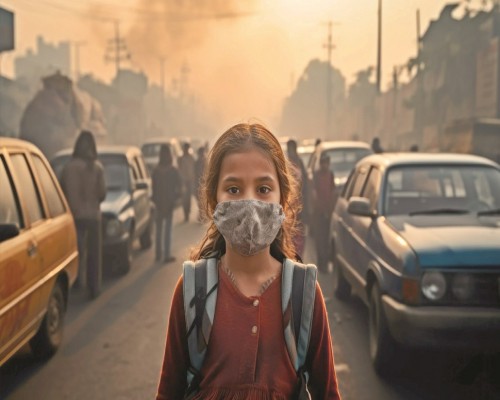
Air pollution and dense smog continue to take a severe toll on public health and daily life, with conditions in major urban centres deteriorating to alarming levels. As pollution records are repeatedly broken, traffic accidents linked to low visibility are rising, respiratory illnesses are increasing, and citizens are being urged to remain indoors for their own safety.
Across key metropolitan regions, vehicle movement has been severely affected, with numerous flights delayed or cancelled due to hazardous air quality and poor visibility. According to data from the Central Pollution Control Board (CPCB), the Air Quality Index (AQI) in the national capital region has crossed 437, placing it in the category of “severe” pollution. Experts caution that the actual situation may be even worse than what official figures indicate.
Weather conditions have provided little relief. The absence of strong winds and rainfall has allowed pollutants to remain trapped in the atmosphere, intensifying smog. Hospitals have reported a sharp rise in patients suffering from breathing difficulties, asthma, eye irritation, and cardiovascular stress. Children and the elderly are among the most affected.
Authorities have repeatedly advised people to limit outdoor activity and avoid unnecessary travel. In some cases, residents have been asked to stay indoors and reduce exposure as much as possible. Schools have been directed to curtail outdoor activities, and public health advisories continue to emphasise the risks posed by prolonged exposure to polluted air.
The article also draws attention to the broader impact of pollution on transport and infrastructure. Road traffic has been disrupted due to poor visibility, while air traffic has been affected by heavy smog, leading to the cancellation of numerous flights and changes in travel routes. These disruptions have caused significant inconvenience to commuters and travellers alike.
A key focus of the article is the growing legal and policy debate surrounding environmental accountability. The Chief Justice of India has publicly raised a fundamental question: while people in large cities may find ways to adapt to pollution, what happens to the poor, who lack access to protective measures and healthcare? This question underscores the deeply unequal burden of environmental degradation, where vulnerable populations suffer the most from conditions they did little to create.
The piece highlights the absence of clear responsibility in addressing pollution. Despite repeated court interventions and government measures, no comprehensive, enforceable strategy has emerged that offers long-term relief. While courts have issued directions and governments have announced short-term controls, experts argue that these actions remain fragmented and insufficient.
Legal observers note that although courts can issue orders, implementation remains weak without coordinated action by multiple authorities. The problem of pollution is not confined to one city or region; it is a structural challenge that requires sustained policy, inter-state coordination, and accountability across all levels of government.
The article stresses that pollution is no longer merely an environmental issue—it is a public health emergency and a question of social justice. Millions of citizens are forced to breathe toxic air daily, often without the means to protect themselves. Despite widespread awareness, behavioural change among the public remains limited, and enforcement of existing regulations is inconsistent.
The author concludes that meaningful action against pollution cannot be delayed further. The responsibility does not rest solely with courts or advisory bodies; it demands decisive political will, coordinated governance, and public participation. Without swift and sustained intervention, the crisis will continue to deepen, placing both current and future generations at risk.
The overarching message is clear: pollution has reached a level where temporary measures are no longer enough. What is required is a comprehensive, enforceable, and people-centred strategy that prioritises health, equity, and environmental sustainability over administrative inertia.