
River Traffic Disturbing Gangetic Dolphins and Other Aquatic Life, Experts Warn
Increased Vessel Movement in the Ganga Raises Concerns Over Impact on Fragile River Ecosystem
The growing movement of ships, steamers, ferries, and passenger boats along the Ganga River is raising serious concerns among environmental experts and wildlife authorities, who warn that increased river traffic is disturbing Gangetic dolphins and other aquatic species inhabiting the river ecosystem.
Recent observations by local authorities and conservation experts indicate that sightings of Gangetic dolphins have declined in certain stretches of the river, particularly near busy waterways where vessel movement has intensified. The decline has prompted concerns about the long-term impact of human activity on one of India’s most important freshwater species.
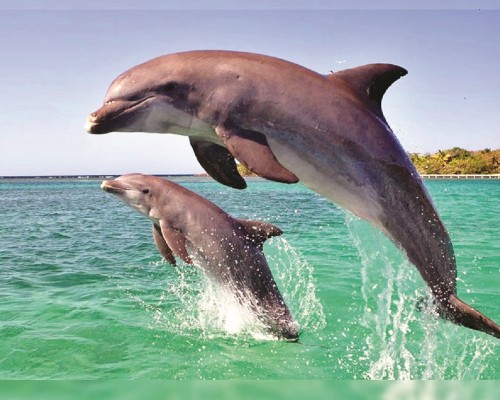
The Gangetic dolphin, India’s National Aquatic Animal, is considered a key indicator of the health of river ecosystems. Experts believe that increasing underwater noise, water turbulence, and disruptions caused by frequent navigation are forcing dolphins and other aquatic creatures to move away from their traditional habitats.
Rising Boat Traffic Alters Dolphin Habitats
The Ganga serves as a major transportation route, with dozens of passenger and cargo vessels operating daily. Authorities estimate that tens of thousands of passengers use ferry and boat services in some riverine regions every day. The growing use of waterways for transportation has significantly increased vessel traffic, particularly in commercially active stretches of the river.
Wildlife observers note that areas once known for frequent dolphin sightings are witnessing a noticeable decline in their presence. Dolphins that were previously observed near popular river ghats and confluence zones are now being seen less frequently, suggesting a possible shift in habitat patterns.
Environmental experts explain that underwater noise generated by engines, propellers, and heavy vessel movement can interfere with the dolphins’ echolocation system, which they rely upon for navigation, communication, and locating food. Continuous disturbances may compel them to seek quieter areas of the river.
Impact Extends Beyond Dolphins
The effects of increased river traffic are not limited to dolphins alone. Scientists warn that other aquatic organisms, including fish, turtles, crocodiles, and river birds, may also be affected by habitat disruption and changing river conditions.
Several fish species form a critical part of the river’s food chain and serve as the primary food source for dolphins. Any disruption to fish populations can indirectly impact dolphin survival and reproductive success.
Conservationists note that river ecosystems function as interconnected networks, where disturbances to one species can have cascading effects on others. Maintaining ecological balance therefore requires protecting not only dolphins but the broader aquatic environment as well.
Safety Concerns Drive Habitat Shifts
Wildlife officials suggest that dolphins often relocate when they perceive a habitat as unsafe. Increased human activity, vessel movement, and changing river conditions can encourage these animals to migrate to quieter stretches of the river where disturbances are comparatively lower.
Experts involved in monitoring aquatic wildlife have reported that dolphins frequently adjust their locations based on environmental conditions and food availability. As vessel activity intensifies in certain sections, dolphins may move towards less congested areas in search of safer habitats.
Authorities have indicated that surveys and monitoring exercises are being undertaken to better understand the changing movement patterns of Gangetic dolphins and assess the impact of river navigation projects on aquatic biodiversity.
Balancing Development and Conservation
The expansion of inland water transport is widely regarded as an important component of economic development, offering an environmentally efficient alternative to road transport. However, environmentalists emphasize that development must be balanced with ecological protection.
Experts have recommended measures such as regulating vessel speeds in ecologically sensitive zones, limiting traffic during critical breeding periods, introducing quieter navigation technologies, and establishing protected aquatic corridors to safeguard wildlife.
Conservation groups have also called for detailed environmental assessments and continuous monitoring of dolphin populations to ensure that navigation projects do not adversely affect biodiversity.
Protecting India’s National Aquatic Animal
The Gangetic dolphin remains one of the most significant symbols of freshwater conservation in India. Its presence reflects the health of river ecosystems, making its protection essential not only for biodiversity but also for the long-term sustainability of the Ganga and its tributaries.
Researchers believe that a coordinated approach involving government agencies, environmental experts, river transport authorities, and local communities will be necessary to ensure that economic development and wildlife conservation can coexist along India's waterways.