

Unique ID Numbers to Be Assigned to Ponds in Ghaziabad
In a significant step toward improving water body management and environmental conservation, all ponds and water reservoirs in Ghaziabad will be assigned unique identification numbers. The district administration has initiated the process following directives aimed at strengthening monitoring and preservation efforts.
The move comes after instructions were issued to ensure that every pond and traditional water body in the district is digitally documented and systematically tracked. Acting on these directions, authorities have begun identifying ponds and generating unique ID numbers for each site.
Once the identification process is completed, detailed information about every pond—including its geographical location, current condition, surrounding area, and beautification status—will be uploaded to an online platform. This digital record will allow real-time access to data and enhance transparency in monitoring conservation and restoration efforts.
According to departmental estimates, the district has approximately 1,000 ponds, all of which will be brought under the unique identification system. Officials believe that assigning IDs will help prevent encroachments, improve maintenance, and ensure accountability in rejuvenation projects.
The initiative is also aligned with ongoing beautification efforts under development schemes aimed at restoring water bodies to their original form. Work includes removing encroachments, enhancing greenery around pond areas, constructing walking paths, and improving overall accessibility for residents. In recent years, more than 400 ponds in the district have reportedly undergone beautification, contributing to improvements in groundwater levels.
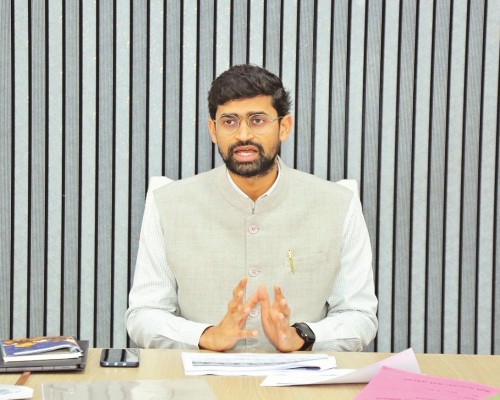
Chief Development Officer Abhinav Gopal stated that the directives for issuing unique ID numbers were received from higher authorities, and the implementation process has already commenced. He added that the digital identification system will play a crucial role in strengthening conservation measures and ensuring sustainable water management.
The initiative reflects a broader strategy to preserve traditional water bodies, enhance environmental resilience, and promote ecological balance in urban and semi-urban areas. By integrating technology with local governance, the district aims to create a structured framework for long-term protection and rejuvenation of its ponds.