
Uttar Pradesh Clears Private Business Parks on Government Land, Expands Incentives for Large-Scale Investment
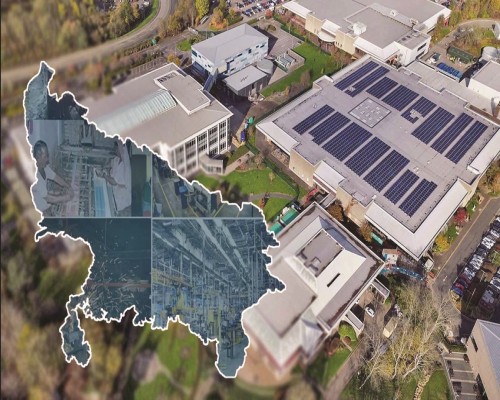
In a major effort to strengthen industrial infrastructure and accelerate investment-led growth, the Uttar Pradesh government has approved a set of new policy measures that will allow private business parks to be established on government land, while also extending financial incentives to attract large-scale industrial investment in the state.
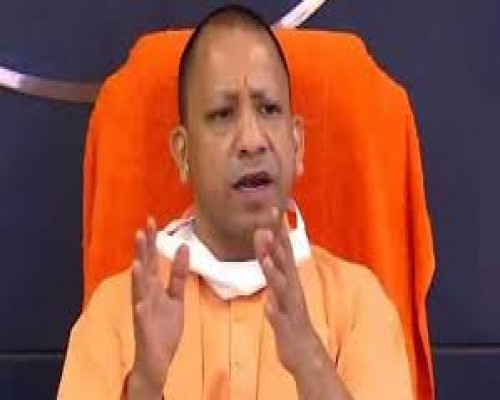
The decisions were approved in a cabinet meeting chaired by Chief Minister Yogi Adityanath, with the broader objective of making Uttar Pradesh more attractive for industrial expansion, logistics development and manufacturing-led employment generation.
Private Business Parks to Come Up on Government Land
One of the key decisions is the approval of the Uttar Pradesh Private Business Park Policy–2025, under which private developers will be allowed to establish business and industrial parks on government land through a structured lease-based model.
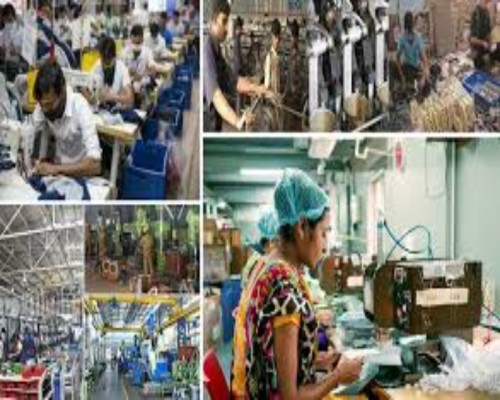
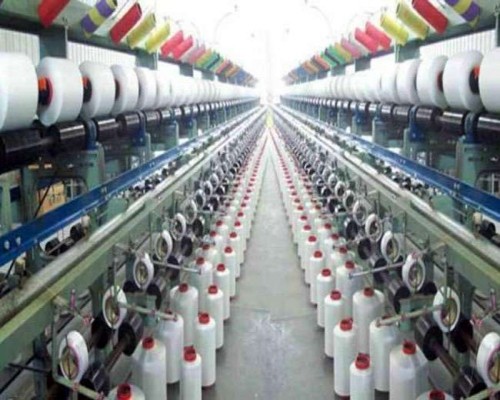
The policy is designed to create a more efficient and investor-friendly industrial ecosystem by enabling faster development of ready industrial spaces. Officials believe that the move will reduce the time and complexity involved in setting up industrial units, particularly for micro, small and medium enterprises (MSMEs) and emerging manufacturing businesses.
Under the approved framework, private developers will reportedly be able to lease 10 acres or more of land to create business parks. The policy aims to encourage the development of modern industrial clusters equipped with common infrastructure and ready-to-use facilities for businesses.
These parks are expected to function on a plug-and-play model, where investors and industrial units can set up operations with minimal delay and reduced procedural burden. The government intends to make land available on long-term lease arrangements, with indications that 45-year lease terms may be part of the model to ensure long-term project viability and private sector confidence.
The proposed parks are expected to include essential common infrastructure such as:
- internal roads,
- drainage and utility systems,
- power and water connectivity,
- warehousing and industrial support facilities,
- and other shared amenities needed for industrial operations.
By allowing private participation in park development on government land, the state is attempting to combine public asset availability with private execution efficiency.
Logistics and Warehousing Push Also Gets Support
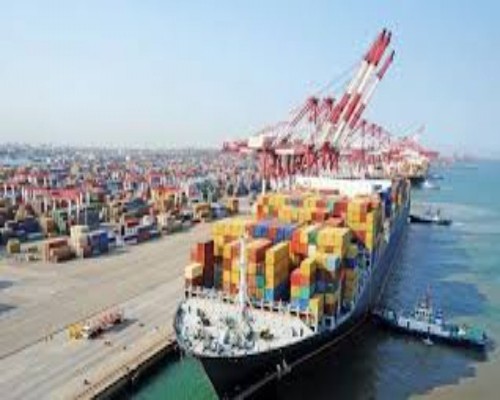
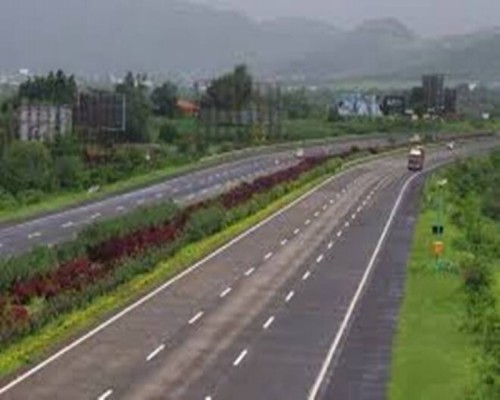
The cabinet also approved measures aimed at strengthening the state’s logistics and warehousing ecosystem, a sector increasingly viewed as critical for industrial competitiveness, supply chains and e-commerce growth.
As part of the policy push, the state has approved proposals involving investment support in the logistics sector, including projects related to integrated warehousing and cargo movement infrastructure.
Among the proposals mentioned in the report is a significant project involving the development of a logistics park in Kanpur, which is expected to include warehousing and associated infrastructure. The project has reportedly been approved with substantial capital backing and is being positioned as part of the state’s wider industrial and logistics transformation agenda.
Financial Incentives for Electronics, Hardware and Petrochemicals
In another major investment-focused decision, the government has approved financial incentives for large projects in the electronics, hardware and petrochemical sectors, signalling a strong intent to attract high-value industrial investments.
Under the state’s industrial incentive framework, companies in these sectors will be eligible for support aimed at reducing project costs and encouraging large-scale capital deployment.
Reports indicate that projects involving investment of more than ₹1,800 crore are expected to receive benefits under this expanded incentive push, opening the door for major industrial units and manufacturing clusters to establish or expand operations in Uttar Pradesh.
The electronics and hardware sector, in particular, is being seen as a priority area as the state attempts to position itself within India’s growing electronics manufacturing value chain. Similarly, petrochemical investment is expected to support industrial diversification and downstream manufacturing activity.
Policy Push to Improve Ease of Doing Business
Together, these decisions reflect a broader strategy by the Uttar Pradesh government to create a more comprehensive industrial development framework—one that combines land access, infrastructure support, logistics capability and financial incentives.
Officials have indicated that the intention is not only to attract large investors, but also to create a scalable ecosystem where industries of different sizes can operate more efficiently.
By making government land available for private industrial park development and aligning this with sector-specific incentives, the state appears to be moving toward a more integrated industrial policy architecture.