

Vitamin D Deficiency Persists Despite Abundant Sunlight in India
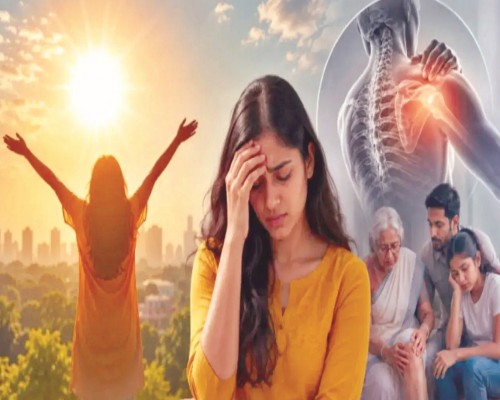
India receives strong sunlight for most months of the year, yet vitamin D deficiency remains a widespread health concern among citizens. Several medical studies and health reports indicate that nearly 90 percent of people in the country are affected by vitamin D deficiency, despite living in a climate where natural sunlight is available in abundance.
Vitamin D is essential for bone health, muscle strength, immunity and mental well-being. The human body naturally produces vitamin D when the skin is exposed to sunlight. However, modern lifestyle patterns have significantly reduced people’s exposure to natural sunlight, making deficiency increasingly common.
According to health experts, people of different age groups, genders and communities are affected by low vitamin D levels. Studies suggest that 70 to 90 percent of Indians may have less vitamin D than required. This deficiency is not limited to the elderly; children, working professionals, women and young adults are also increasingly being diagnosed with low vitamin D levels.
One of the biggest reasons behind this problem is reduced outdoor activity. Many people spend most of their day indoors, either at home, in offices, schools, factories, shops or air-conditioned workplaces. The growing culture of indoor living has limited direct exposure to sunlight, which is the primary natural source of vitamin D.
Experts also point out that simply living in a sunny country is not enough. The amount of vitamin D produced by the body depends on several factors, including the time of day, duration of sun exposure, exposed skin area, age, skin tone, pollution levels and lifestyle habits. If sunlight does not reach the skin sufficiently, the body cannot produce adequate vitamin D.
Diet is another important factor. Some foods such as egg yolk, fatty fish, mushroom, fortified milk and certain dairy products contain vitamin D, but the quantity available through normal diet is often not enough to meet daily requirements. Therefore, relying only on food may not always correct deficiency.
Vitamin D deficiency can lead to several health problems. It may weaken bones, increase the risk of pain in joints and muscles, reduce immunity, cause fatigue and affect overall physical strength. In children, severe deficiency may affect bone development, while in adults it can contribute to bone weakness and other long-term complications.
The problem has become more serious because deficiency often remains unnoticed in the early stages. Many people may experience tiredness, body pain, low energy or weakness without realising that low vitamin D could be one of the causes. Doctors generally advise testing and proper medical guidance before taking supplements.
Health experts say that moderate and safe exposure to sunlight can help improve vitamin D levels. Morning sunlight or controlled exposure during suitable hours may be beneficial, depending on weather conditions, skin type and medical advice. However, excessive exposure to harsh sunlight should also be avoided because it may create other health risks.
The increasing dependence on air-conditioned environments has further reduced natural exposure to sunlight. Offices, work-from-home setups, closed residential societies, indoor entertainment and limited physical activity have made people more disconnected from outdoor environments.
Experts believe that awareness is the key to addressing this issue. People should be encouraged to spend some time outdoors, follow a balanced diet, remain physically active and seek medical advice if symptoms of deficiency appear. Schools, workplaces and community health programmes can also play an important role in spreading awareness.