

West Asia Conflict Shakes Safe-Haven Status of Gold and Silver
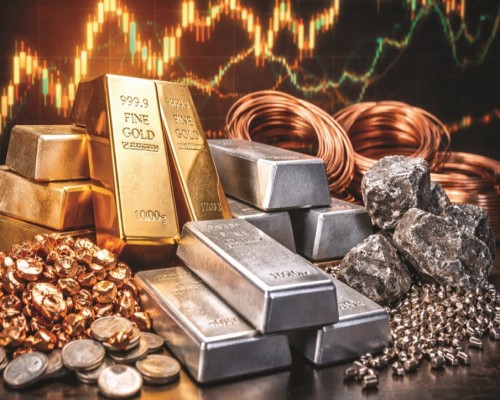
The ongoing conflict in West Asia is beginning to unsettle traditional notions of safe-haven investments, with gold and silver witnessing unusual volatility instead of their expected stability during times of geopolitical stress. The development marks a significant shift in market behaviour, raising questions about changing investor preferences in a rapidly evolving global financial environment.
According to market data, precious metals experienced a sharp decline in value within a short span, with nearly $2 trillion wiped out from market capitalisation in just a few hours of trading. The sudden drop occurred even as global tensions escalated—conditions under which gold and silver have historically attracted increased investment.
Unexpected Market Reaction
The fall in gold and silver prices has surprised market observers, as such assets are traditionally considered reliable hedges during geopolitical crises. Analysts note that the decline came despite relatively stable crude oil prices and strong performance in U.S. equity markets during the same period.
This divergence suggests that investor behaviour is being influenced by factors beyond immediate geopolitical risk, including monetary policy expectations, currency strength, and broader financial market dynamics.
Dollar Strength Alters Investment Flows
One of the primary reasons cited for the decline in precious metals is the strengthening of the U.S. dollar. As the dollar gains value, commodities like gold and silver—which are priced in dollars—tend to become more expensive for global investors, leading to reduced demand.
In addition, rising yields on U.S. government bonds have made fixed-income instruments more attractive compared to non-yielding assets such as gold. Reports indicate that returns on 10-year U.S. Treasury bonds have approached around 4.4 per cent, encouraging investors to shift funds away from metals and into interest-bearing securities.