
WhatsApp Developing New Parental Control Feature for Teen Accounts
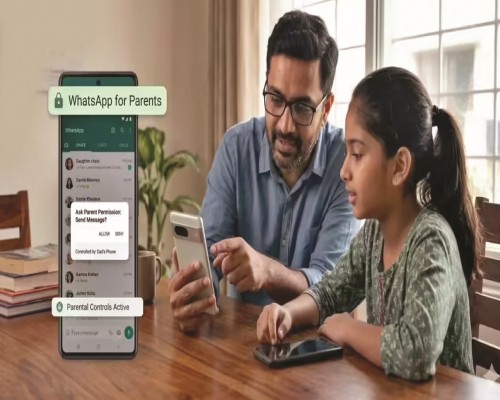
WhatsApp is reportedly working on a new parental control system aimed at enhancing the safety of teenage users by allowing parents to monitor and manage certain aspects of their children’s accounts.
The upcoming feature is expected to introduce a “parental control” mechanism through which parents will be able to create and supervise a linked secondary WhatsApp account for their children. The system is being designed with safety and oversight in mind, giving guardians greater control over how minors use the messaging platform.
Under the proposed setup, a child’s account would be connected to the parent’s primary account through a QR code-based linking process. Once linked, parents would be able to manage and monitor selected features directly from their own device.
The development comes at a time when children are beginning to use smartphones and messaging applications at increasingly younger ages. In response to this trend, WhatsApp is reportedly focusing on users under the age of 18, with the goal of building a safer digital environment for younger users while preserving a level of privacy.
According to the reported feature details, several controls may be included in the new system.
One of the major safety options would be “No Updates Seen”, under which a child would reportedly not be able to view WhatsApp channel updates or broader content streams. This is intended to reduce exposure to unknown or potentially inappropriate information.
Another proposed feature is “No Chat Lock”, which would prevent children from hiding chats using the chat lock option. This would allow parents to remain aware of the conversations being accessed on the account and reduce the possibility of concealed interactions.
The system may also include a “Limited Contacts” feature, allowing children to communicate only with contacts that are pre-approved or saved in their contact list. This would significantly reduce the risk of interaction with strangers or unverified individuals.
Reports suggest that the parental control setup would also include a 6-digit primary PIN created by the parent. This PIN would be required whenever major account-level changes are made, adding an additional layer of control and security.
During the initial setup, parents would reportedly be able to link the child’s WhatsApp account from their own device using the QR code. Once configured, the child may not be able to independently alter key settings, ensuring that the account remains under parental supervision.
The feature is expected to strike a balance between child privacy and digital safety. While WhatsApp appears to be maintaining personal messaging functionality, the system is being designed to help parents stay informed about significant activity and protect children from exposure to harmful or inappropriate online interactions.
If introduced officially, the parental control feature could mark a major step in how messaging platforms approach child safety, particularly in an era where digital communication has become an essential part of everyday life for younger users.
The move reflects a broader shift in the technology industry toward building safer, age-sensitive digital ecosystems for minors, while also responding to growing parental concerns over online security, privacy and content exposure.