

‘Ram Parivar’ Darshan to Be Opened to General Devotees in a Regulated Manner
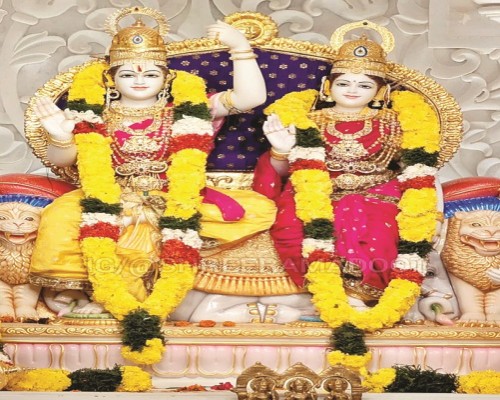
Arrangements are being finalised to allow general devotees to have darshan of the ‘Ram Parivar’ at the Ram Temple, in addition to those holding special, regular, or priority passes. The Shri Ram Janmabhoomi Teerth Kshetra Trust is considering a structured system under which a limited number of ordinary pilgrims will also be permitted to view the sacred installation.
At present, access to the Ram Parivar is restricted to devotees possessing Sugam, Nitya, or Vishesh Darshan passes, while general visitors are allowed only darshan of the Ram Lalla idol before being guided back. Under the proposed plan, the trust intends to introduce controlled entry for common devotees alongside pass-holders, ensuring both inclusivity and crowd management.
Gradual Expansion of Darshan Access
The Ram Parivar has been installed on the first floor of the Ram Temple, where Lord Ram is depicted in a royal form. Along with Lord Ram, the ensemble includes Goddess Sita seated on the throne, Lakshman and Shatrughna standing on either side, and Hanuman seated in devotion at the feet of the deity. Collectively, these six idols are revered as the “Ram Parivar.”
Although consecration ceremonies were conducted earlier, darshan in the associated parakram (circumambulatory) temples remains limited, with access currently restricted mainly to distinguished visitors. However, after the completion of construction on the first floor and improvement in space availability near the sanctum, the trust is now evaluating the possibility of opening darshan to a broader group of pilgrims.
Proposed System for General Devotees
According to the plan under consideration, a fixed number of general devotees will be allowed darshan per hour, alongside those holding special passes. This regulated access is intended to maintain orderly movement, prevent overcrowding, and preserve the sanctity of the site while expanding public participation.
Trust officials have indicated that the objective is not to dilute existing arrangements for priority darshan but to gradually include ordinary pilgrims in a structured and manageable way. Final decisions regarding the number of devotees, scheduling, and procedural details are currently under assessment.
Completion of Temple Works Enables Wider Access
Earlier limitations were attributed to ongoing construction and restricted space in front of the sanctum. With major structural work on the first floor nearing completion, and improved circulation areas now available, the trust has begun planning the next phase of darshan operations.
In parallel, discussions are also underway regarding the future opening of darshan in the surrounding temples within the complex, which house additional consecrated idols. Until now, access to these shrines has largely been reserved for special guests, although collective worship activities have already been initiated following consecration.
Religious and Cultural Significance
The Ram Parivar holds profound spiritual importance in Hindu tradition, symbolising divine family life, righteousness, devotion, and service. The inclusion of multiple deities in a single sacred ensemble offers devotees a comprehensive spiritual experience centred on dharma, duty, and harmony.
Opening darshan to the general public is expected to strengthen the devotional connection of ordinary pilgrims with the temple, while also reinforcing the temple’s role as a national centre of faith and cultural heritage.
Awaiting Final Approval
While the trust has expressed its intent to extend access, officials clarified that the precise number of devotees, entry protocols, and timing mechanisms have not yet been finalised. Detailed assessments are ongoing to ensure that safety, crowd management, and the sanctity of worship are maintained.
Once implemented, the initiative will mark a significant step toward making the Ram Parivar darshan accessible to all sections of society, reflecting a balance between tradition, inclusivity, and disciplined temple administration.