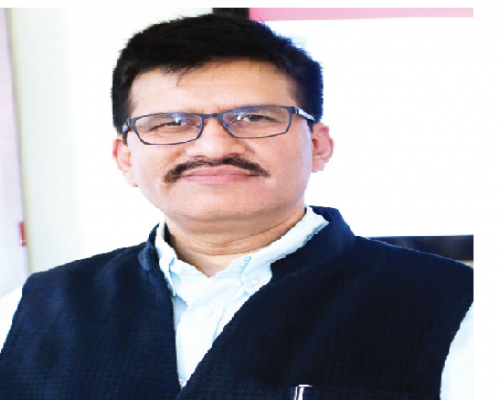

Narendra Modi at 75 – Leadership that Transformed a Nation’s Destiny
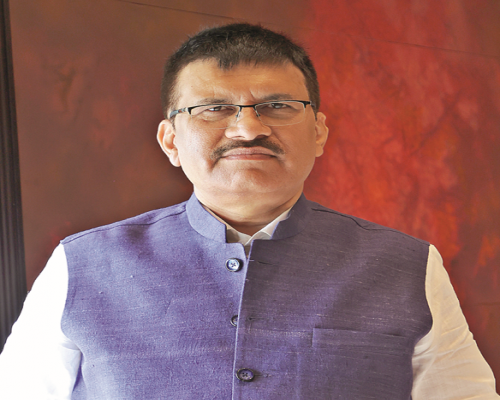
As Prime Minister Narendra Modi marks his 75th birthday, India finds itself at a pivotal crossroads — more assertive, aspirational, and globally influential than at any point in its modern history. His rise from humble beginnings in Vadnagar to becoming one of the world’s most prominent leaders is not merely a personal journey but a reflection of India’s evolving narrative — one of resilience, reform, and resurgence.
Since assuming office in 2014, Modi has redefined the governance paradigm of India. His leadership has been marked by bold structural reforms, technological innovation, and a relentless focus on inclusive growth. The introduction of the Goods and Services Tax (GST) created a unified tax framework, dramatically simplifying the business environment. Through initiatives like Digital India and the JAM trinity (Jan Dhan, Aadhaar, and Mobile), governance has become more transparent, efficient, and accessible. The expansion of direct benefit transfers has minimized leakages and ensured that welfare reaches those who need it most.
Social welfare has been at the core of Modi’s policy agenda. Programs such as Swachh Bharat Mission transformed sanitation practices, Ujjwala Yojana brought clean cooking fuel to millions of homes, Ayushman Bharat extended healthcare coverage to the poorest, and PM-Kisan provided direct income support to farmers. These initiatives underscore a governance philosophy centered on empowering the last person in the queue — making growth not just rapid but also inclusive.
On the global stage, Modi has elevated India’s diplomatic profile through proactive foreign policy and strategic partnerships. From strengthening regional ties under the “Neighborhood First” policy to playing a central role in multilateral forums like the G20, BRICS, and the Quad, India’s voice now carries greater weight in global affairs. The promotion of soft power through yoga, culture, and diaspora diplomacy has further enhanced the nation’s influence.
However, the journey is not without its challenges. Economic disparities, employment generation, social cohesion, and institutional strengthening remain critical priorities. Critics point to concerns about centralization of power, shrinking space for dissent, and persistent socio-economic divides. Yet, Modi’s supporters argue that transformative leadership inevitably faces resistance.
As India marches towards its centenary of independence in 2047, Modi’s vision of a “New India” — self-reliant, technologically advanced, and socially cohesive — remains the guiding force. At 75, his leadership has not only reshaped the country’s present but also laid the foundations for its future, leaving an indelible mark on India’s democratic and developmental journey.